Chardonnay
shar-doh-NAY · Vitis vinifera ‘Chardonnay’
The most famous white grape on Earth, and the most shape-shifting — a near-blank canvas that tastes like where it’s grown and what the winemaker did. In Texas it’s a quiet argument that keeps winning people over.
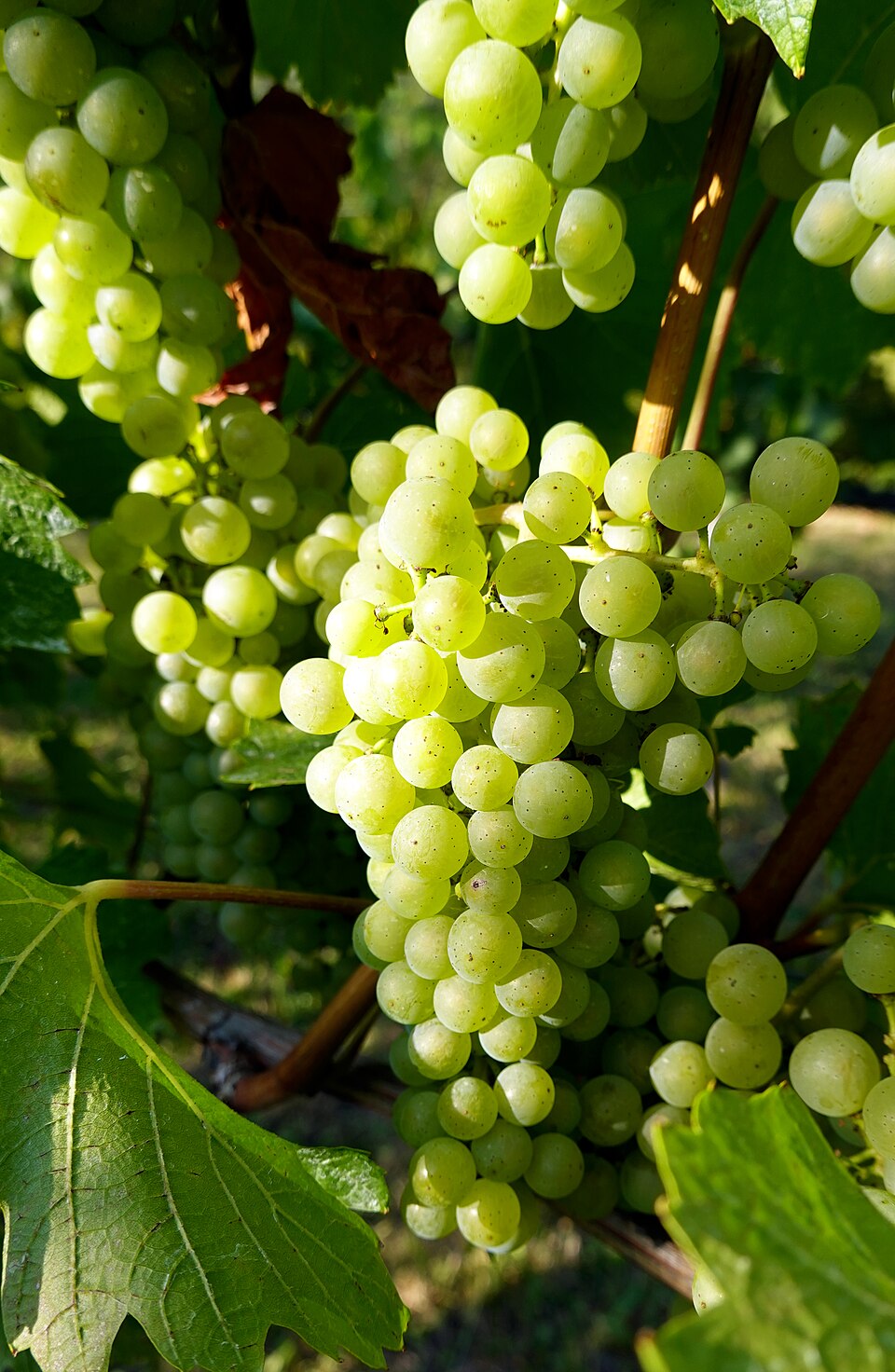
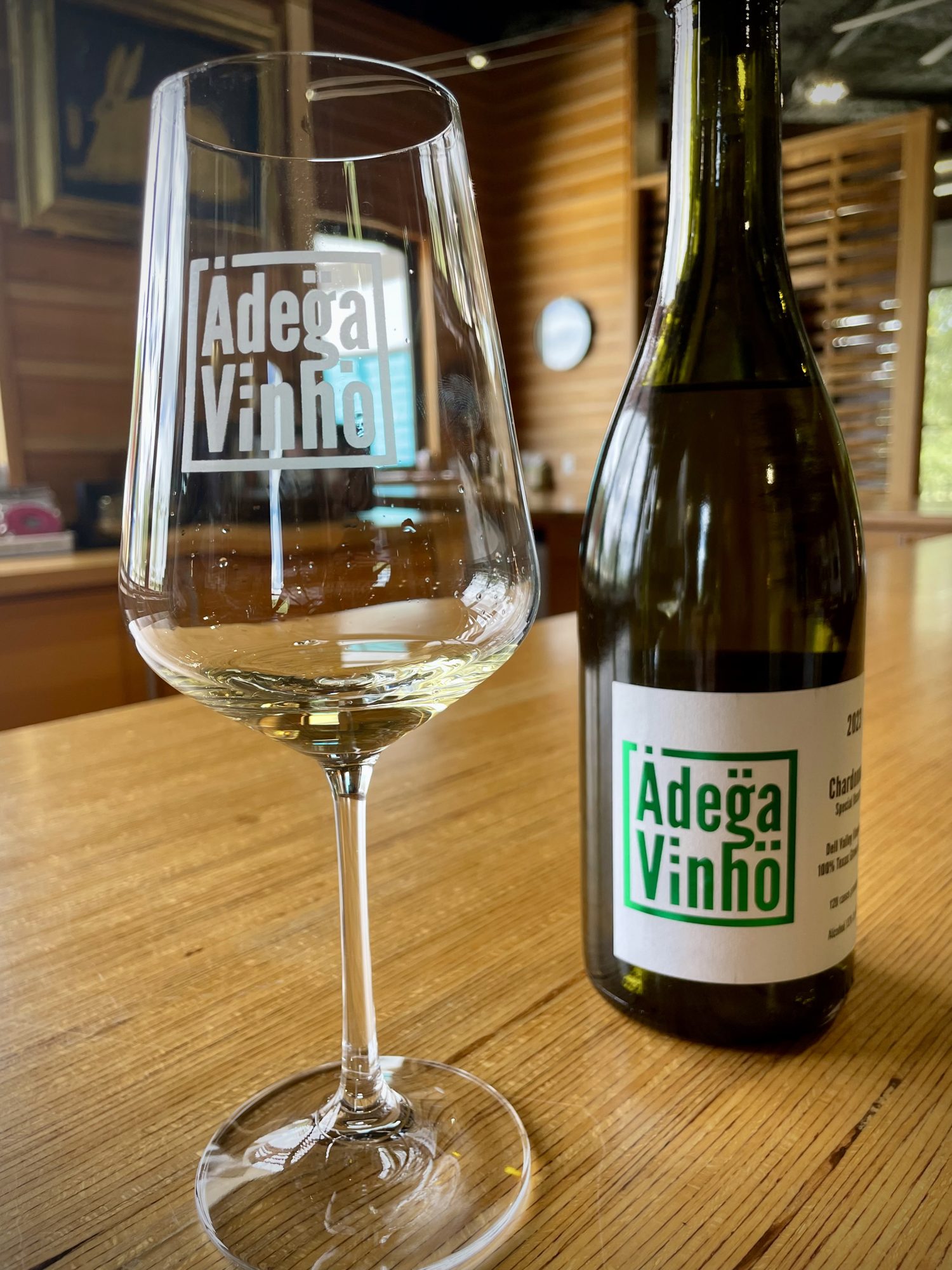
/ What it tastes like /
Green apple, pear, lemon, and melon at the core — but the whole point of Chardonnay is what happens next. Grown cool and left unoaked, it’s crisp, lean, and almost mineral. Given oak, lees, and a little time, it turns creamy, with vanilla, butter, and toast. Same grape, two completely different glasses, and everything in between.
/ Why it works in Texas /
Chardonnay doesn’t always get a warm welcome in Texas conversations, but it keeps making its case. The trick is elevation: higher-elevation vineyards with hot days and cool nights give the grape room to hold its acidity instead of going flabby in the heat. It’s a reminder that Texas isn’t one place — same grape, different elevation, different result.
/ What to eat with it /
Follow the style. A crisp, unoaked one wants oysters, salads, and light seafood. A rounder, oaked one wants roast chicken, a creamy pasta, richer fish like salmon, or a soft cheese. It is one of the most food-flexible whites there is, as long as you match the weight.
/ From our visits /