Wines of Texas · Field GuideThe grapes
The grapes of Texas
What grows here, what it tastes like, and where we’ve actually had a good one. No sommelier required.
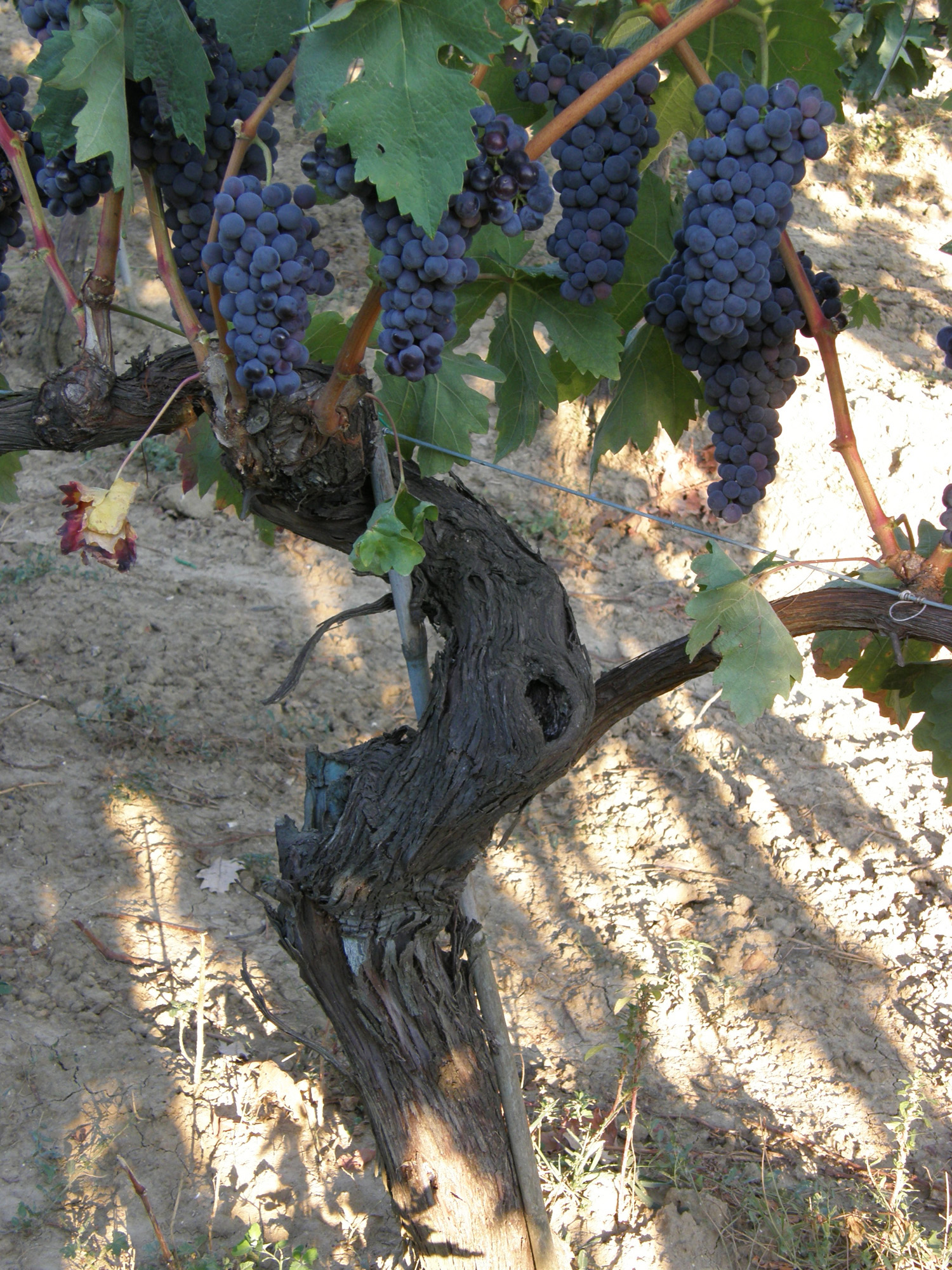 TempranilloSpain built Rioja on it; Texas grows it at 3,000 feet on the High Plains. What Tempranillo tastes like, why it works here, what to eat with it, and where we have actually had a good one.№ 001 →
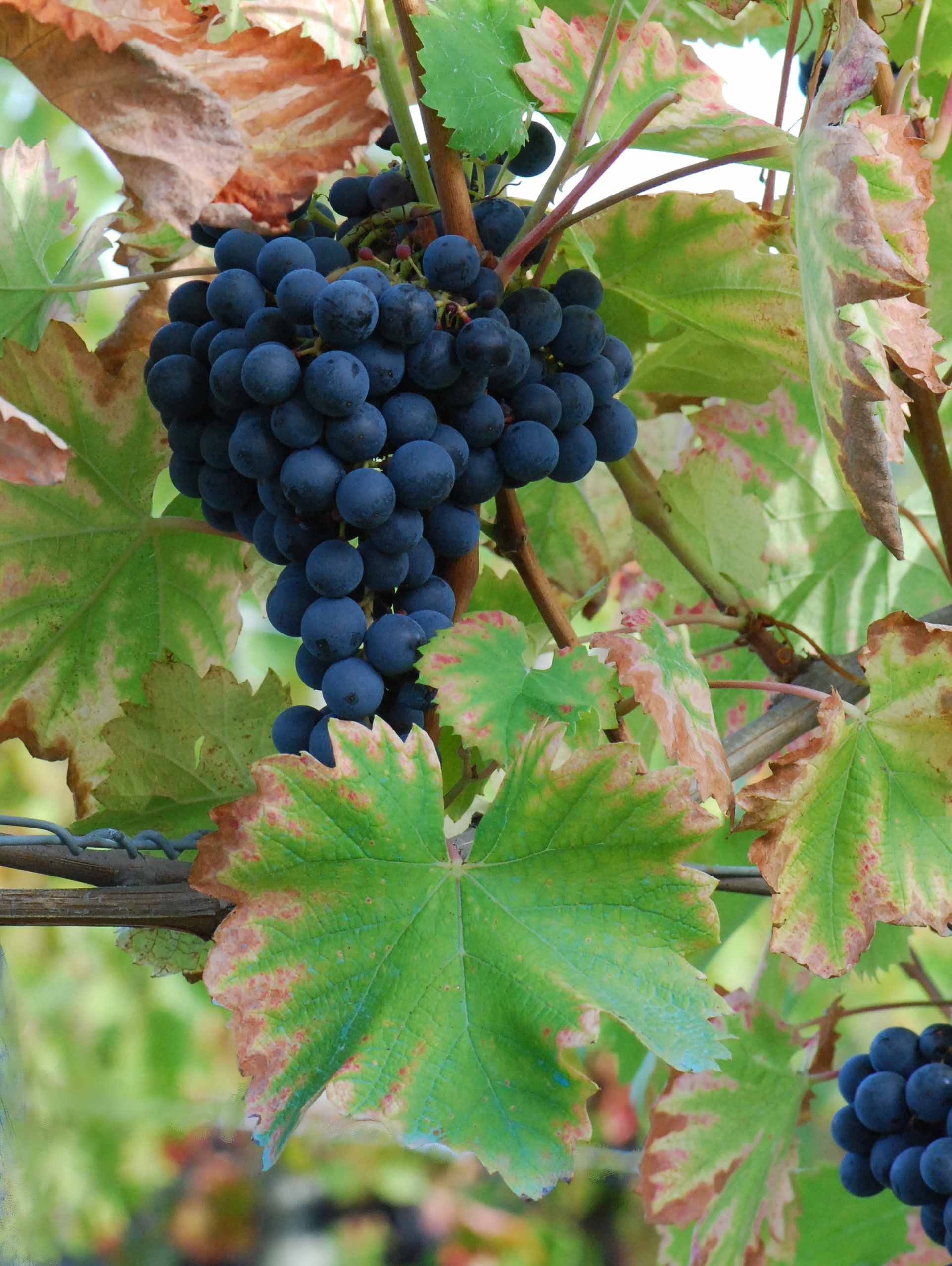 MourvèdreThe savory one — blackberry, black pepper, and something meaty. It buds late, ripens late, and wants exactly the kind of long hot season Texas hands out for free. Where we have tasted it, from the High Plains pour at William Chris to the hilltop block at Hawks Shadow.№ 002 →
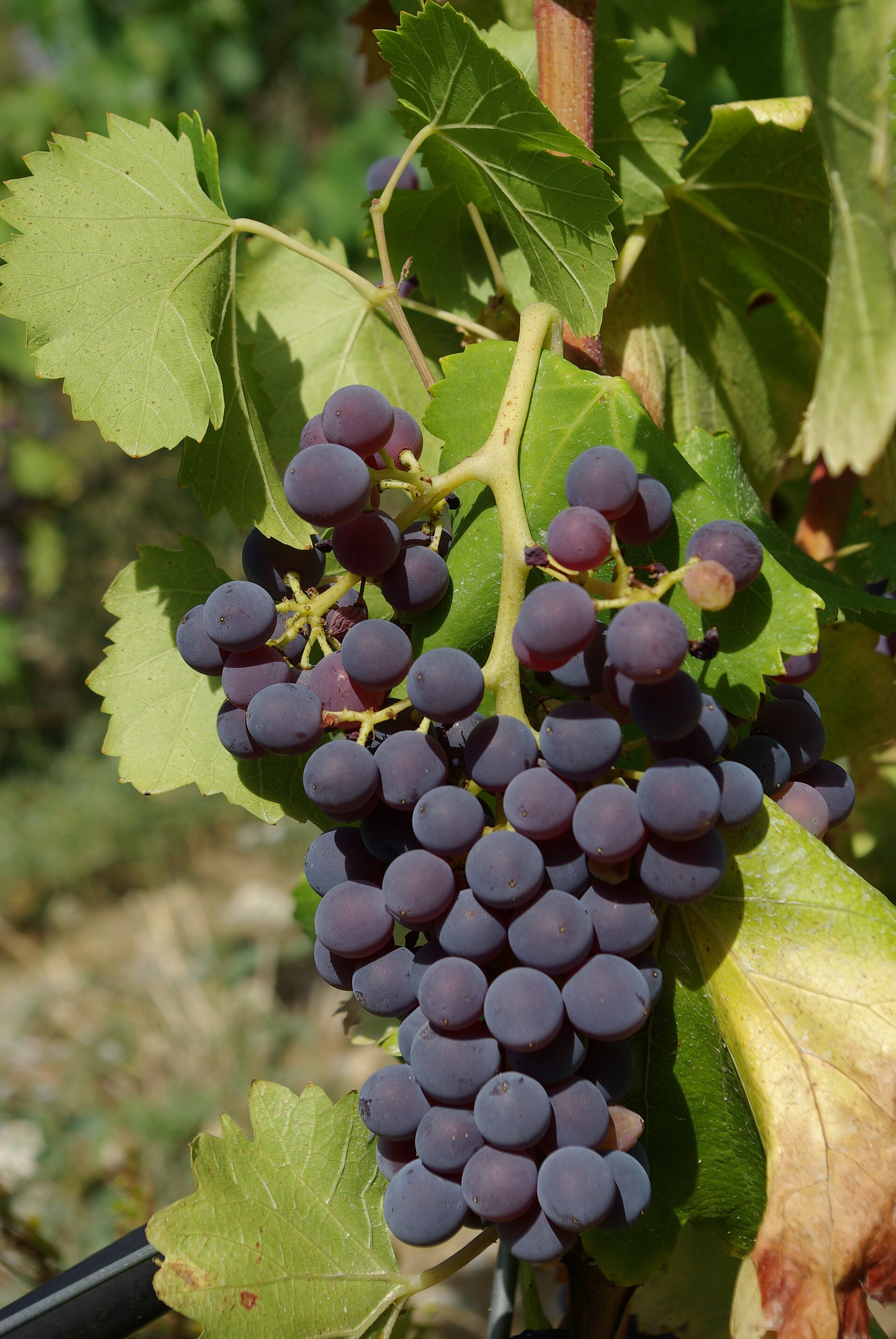 GrenacheStrawberry, white pepper, soft tannin, and a warmth that sneaks up on you. Born in dry northern Spain, built for heat, drought, and wind — no wonder it anchors half the GSM programs in the Hill Country. Including the Michael Ros bottle we took home.№ 003 →
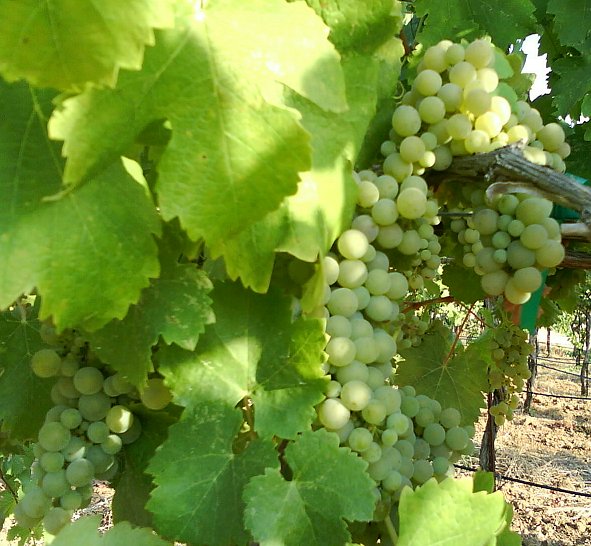 ViognierThe first white in the guide. Apricot, honeysuckle, and a rich texture that fills the glass — planted outside Stonewall in 1992 when nobody thought Texas could do fine wine, and still the benchmark Texas white.№ 004 →
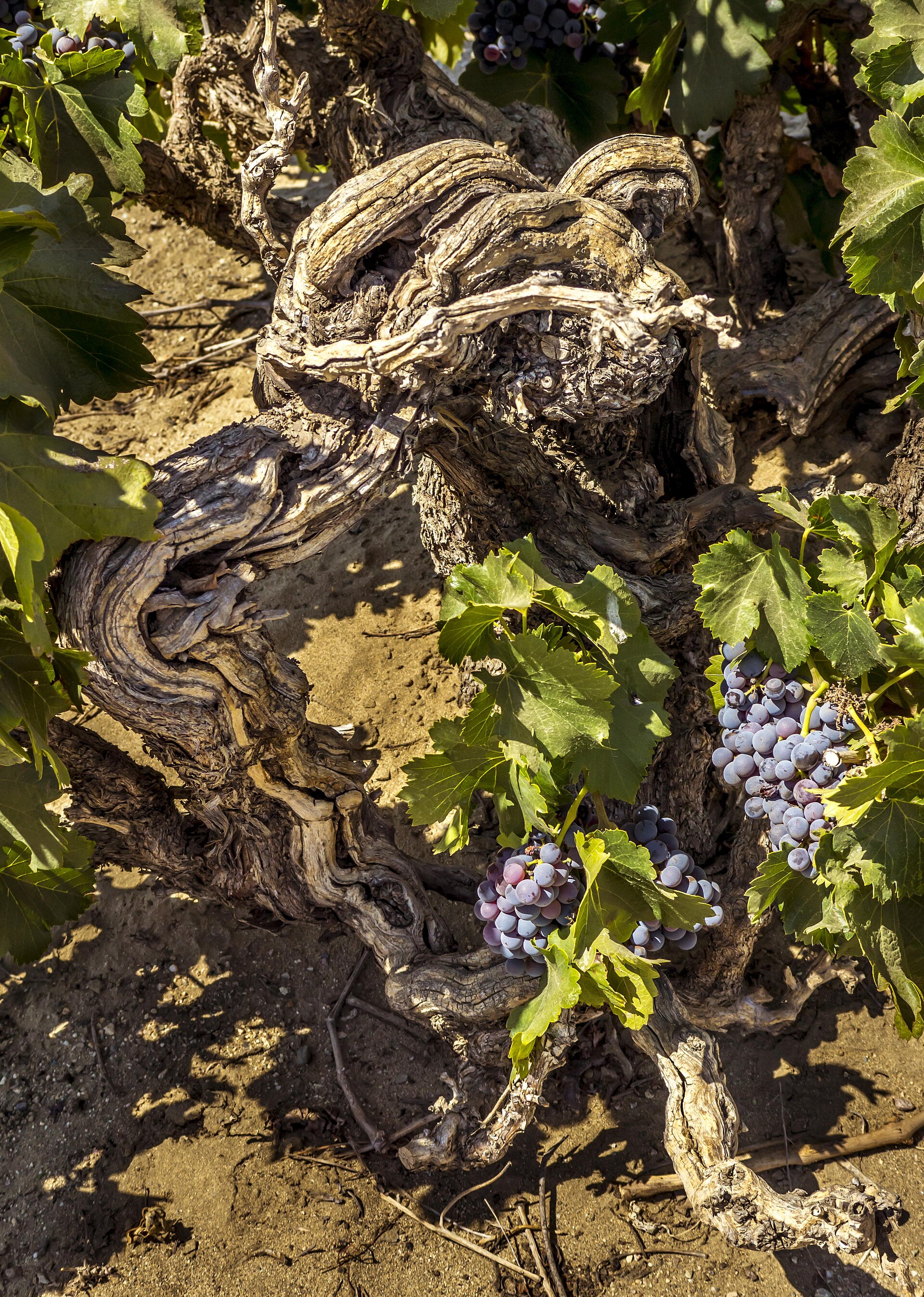 Alicante BouschetOne of only a dozen grapes on Earth with red skin and red flesh — bred in 1866 purely for color. We met it as 1.5% of a Michael Ros Grenache, then found it standing alone at Driftwood. Mind your shirt.№ 005 →
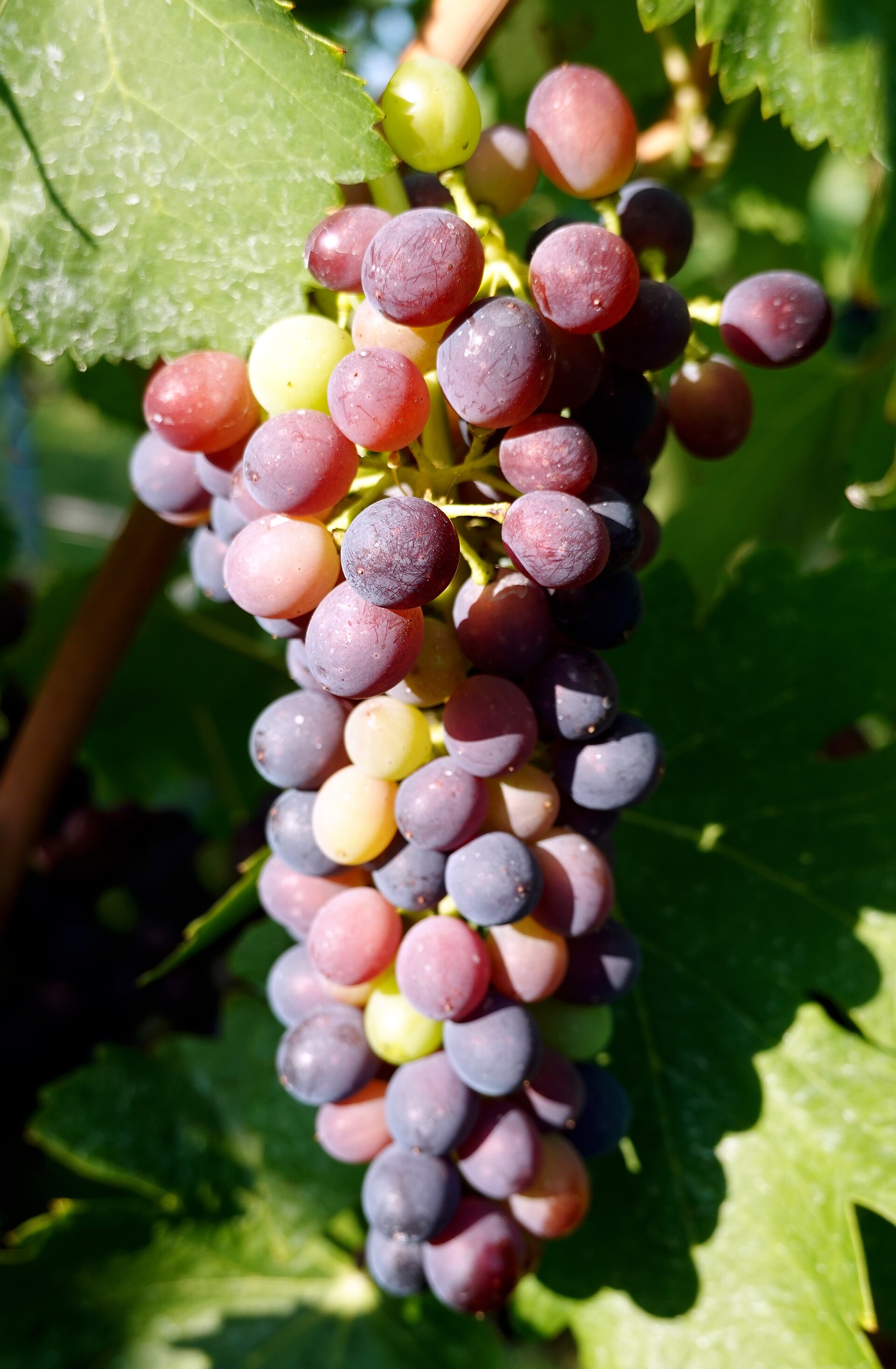 SyrahBlackberry wrapped around cracked black pepper, with smoked meat showing up as it opens. Same grape Australia calls Shiraz, and the structure that holds a GSM together — which is where Texas keeps pouring it for us.№ 006 →
 AglianicoTar, dark cherry, serious tannin, and acidity most big reds gave up to get that size. One of the latest-ripening grapes in the world, built for long hot seasons — and the standout pour of our Duchman afternoon.№ 007 →
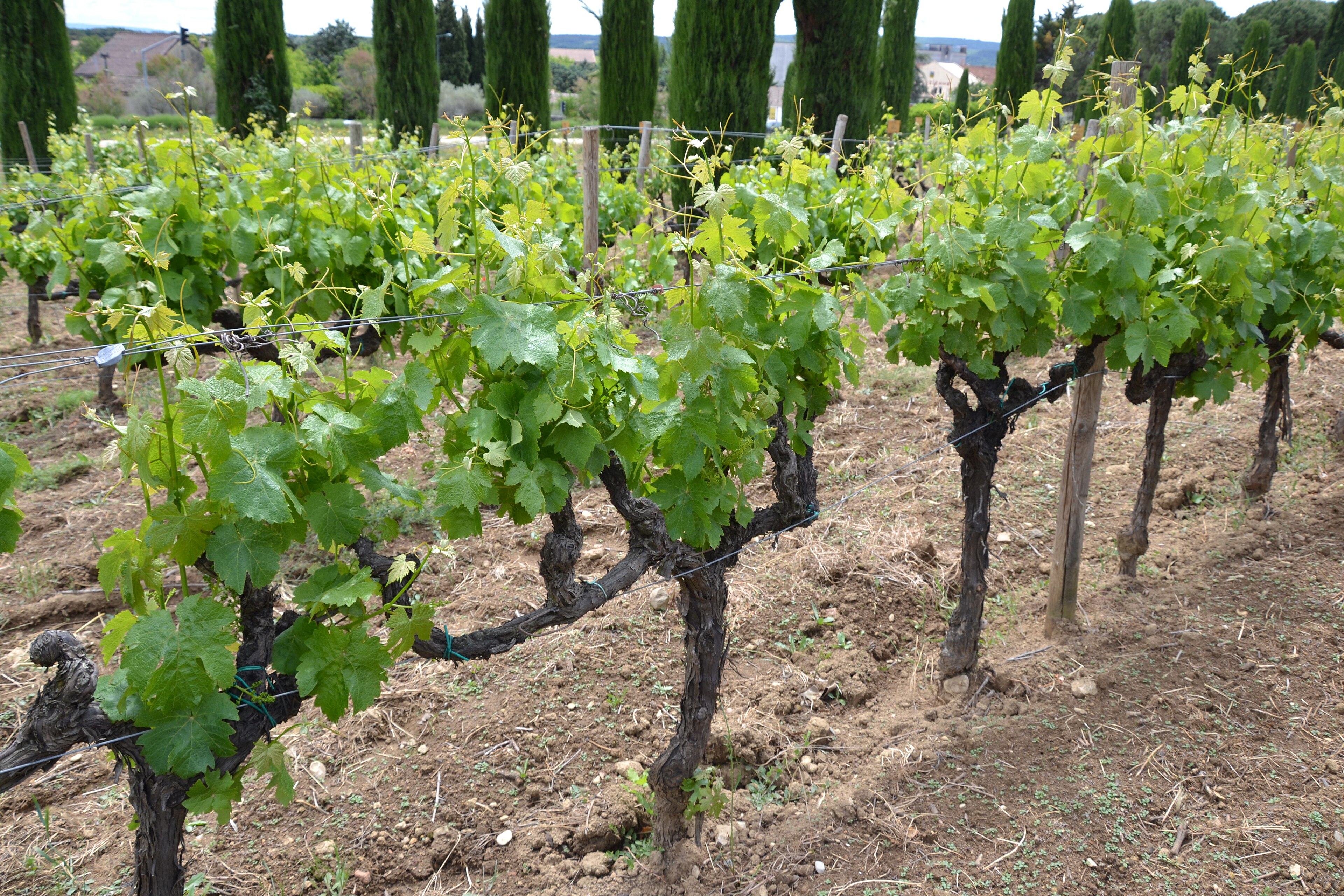 PicpoulA high-acid Languedoc white whose name means “lip-stinger” — lemon, lime, and sea-spray, bone-dry and built for heat. Rare in Texas, but we found it bright and cold at Portree and Featherstone.№ 008 →
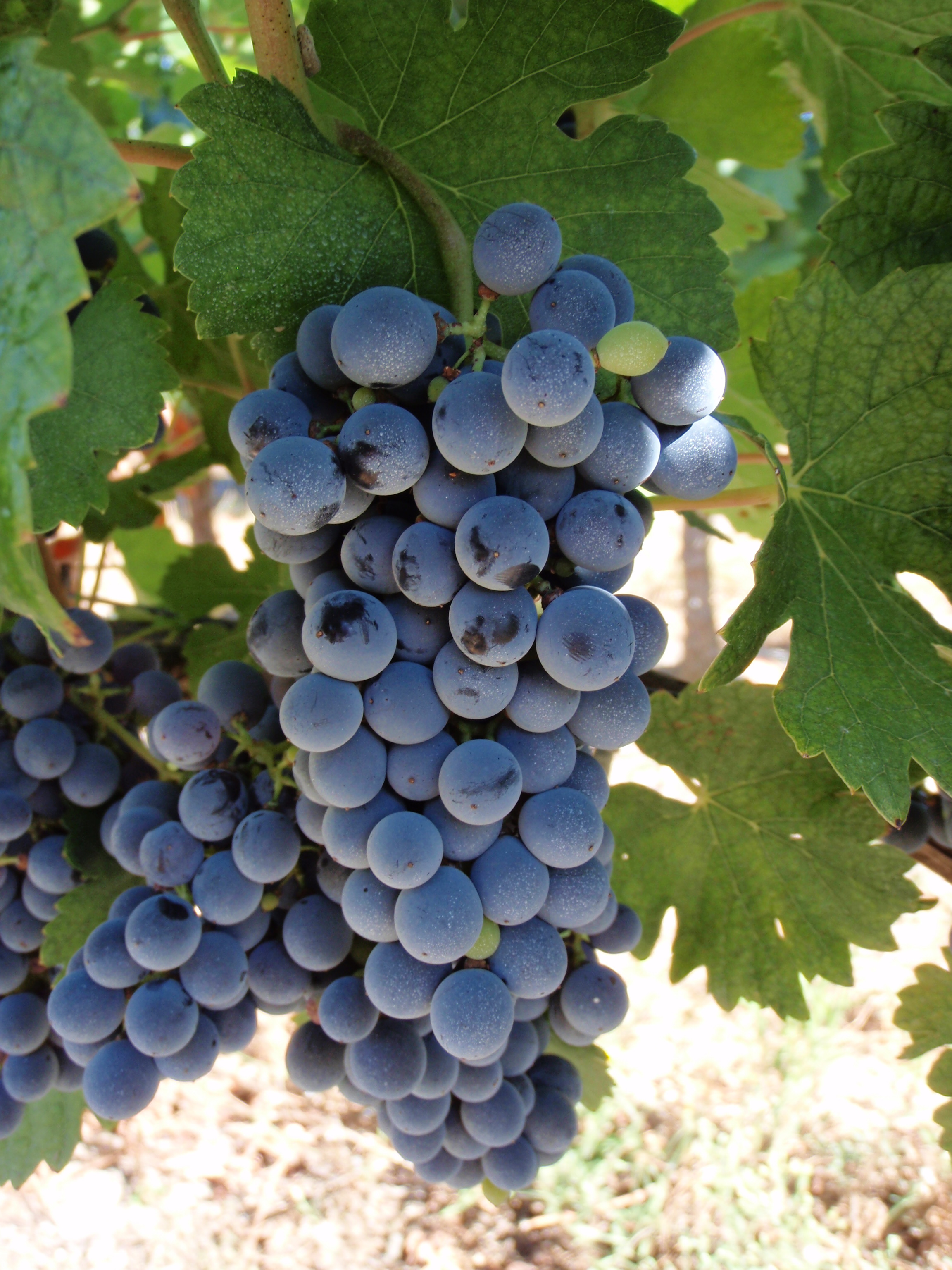 MarselanA 1961 French crossing of Cabernet Sauvignon and Grenache — deep, full, and structured, with warm fruit behind the backbone. Sandy Road grows the only Marselan in Texas, and the bottle followed us home.№ 009 →
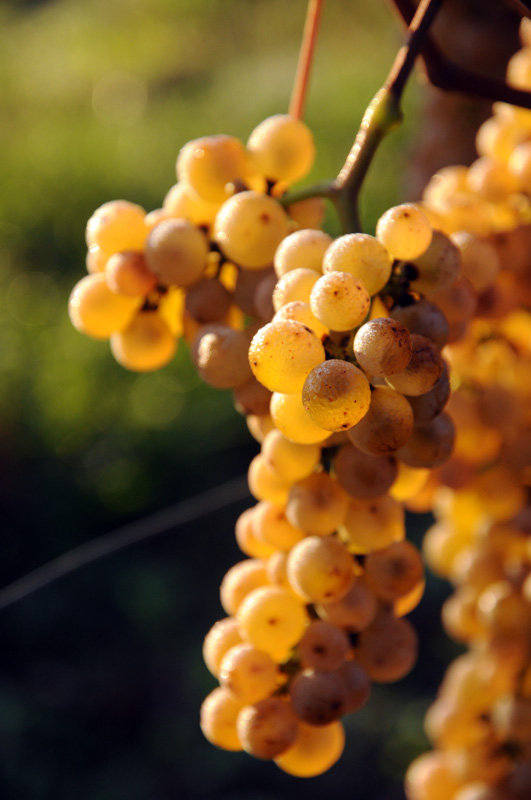 Petit MansengA tiny-berried, tough-skinned white from the French Pyrenees — tropical and full-bodied, with acidity that survives the heat. Made dry or sweet; the Portree pour from High Plains fruit was richer and more surprising than we expected.№ 010 →
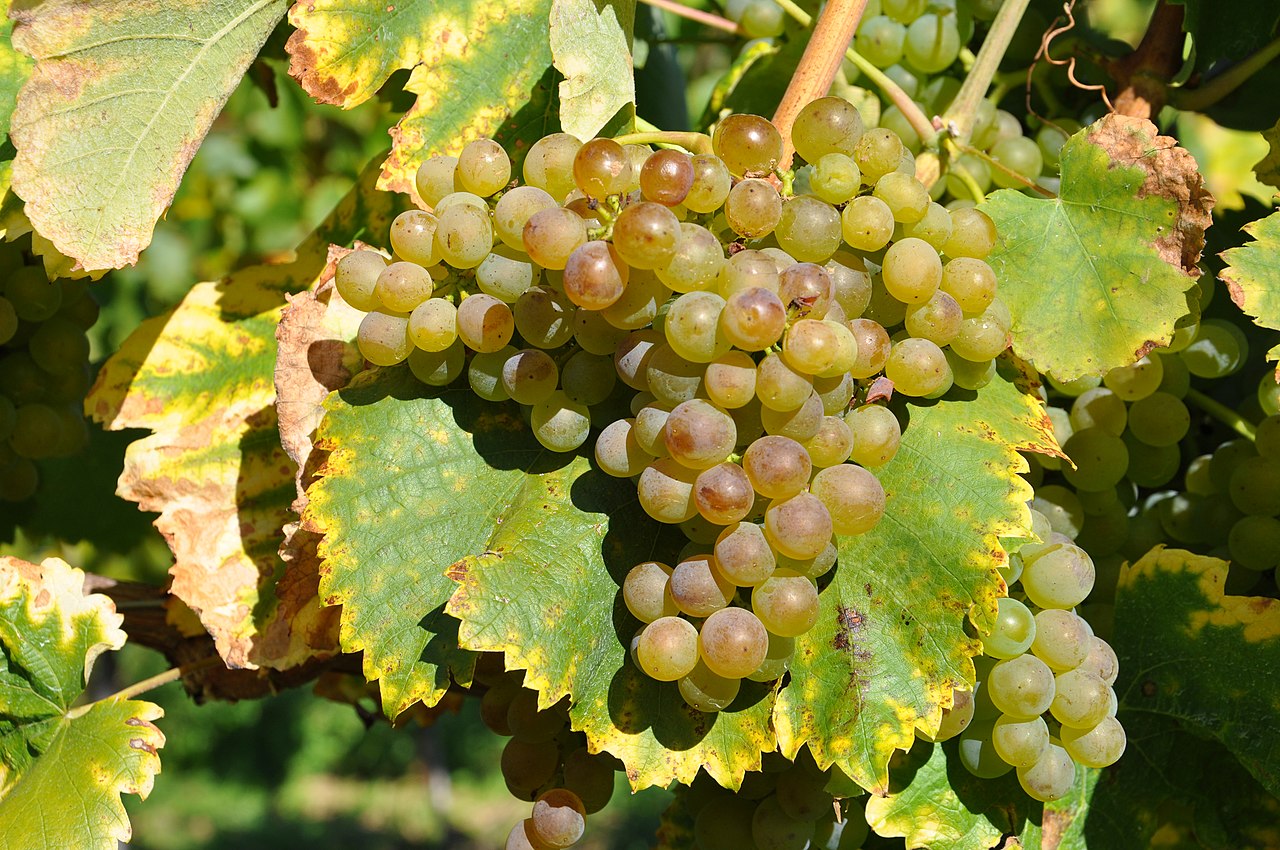 FianoAn ancient Campanian white — nutty, honeyed, and unusually built to age — that the Romans called Apianum for the bees it drew. At Portree it was the estate’s own fruit, the wine that mattered most.№ 011 →
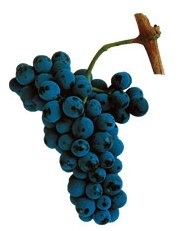 Touriga NacionalThe flagship grape of Port and dry Douro reds — deep, structured, and floral, with the scent of violets. Forged in one of the hottest wine regions on earth, it shows up dry and darker in Texas. Andy’s favorite at Adega Vinho.№ 012 →
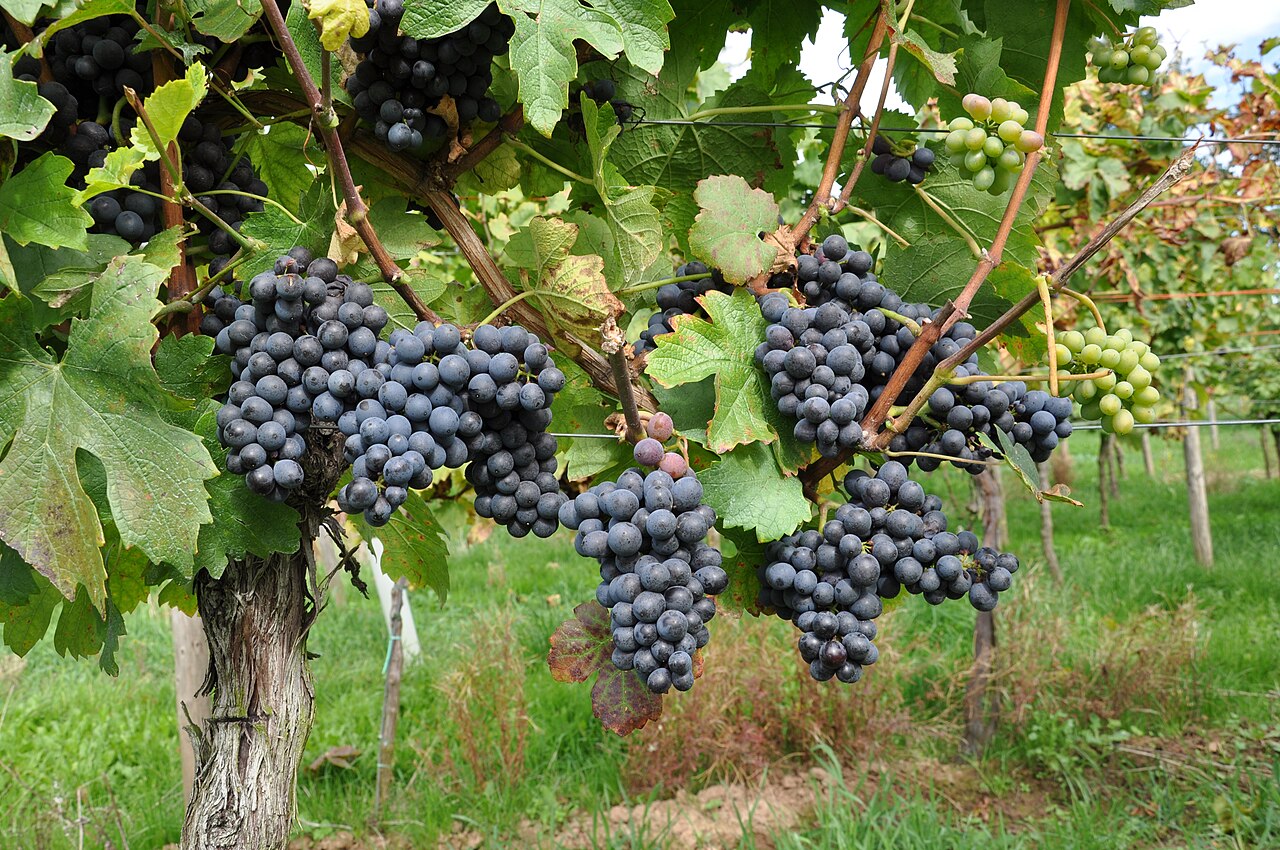 PinotageSouth Africa’s own grape — Pinot Noir crossed with Cinsaut in 1925 — keeping Pinot’s lighter frame and adding a smoky, savory streak David compared to smoked bacon. Rare in Texas, and poured for us by hand at Untamed.№ 013 →
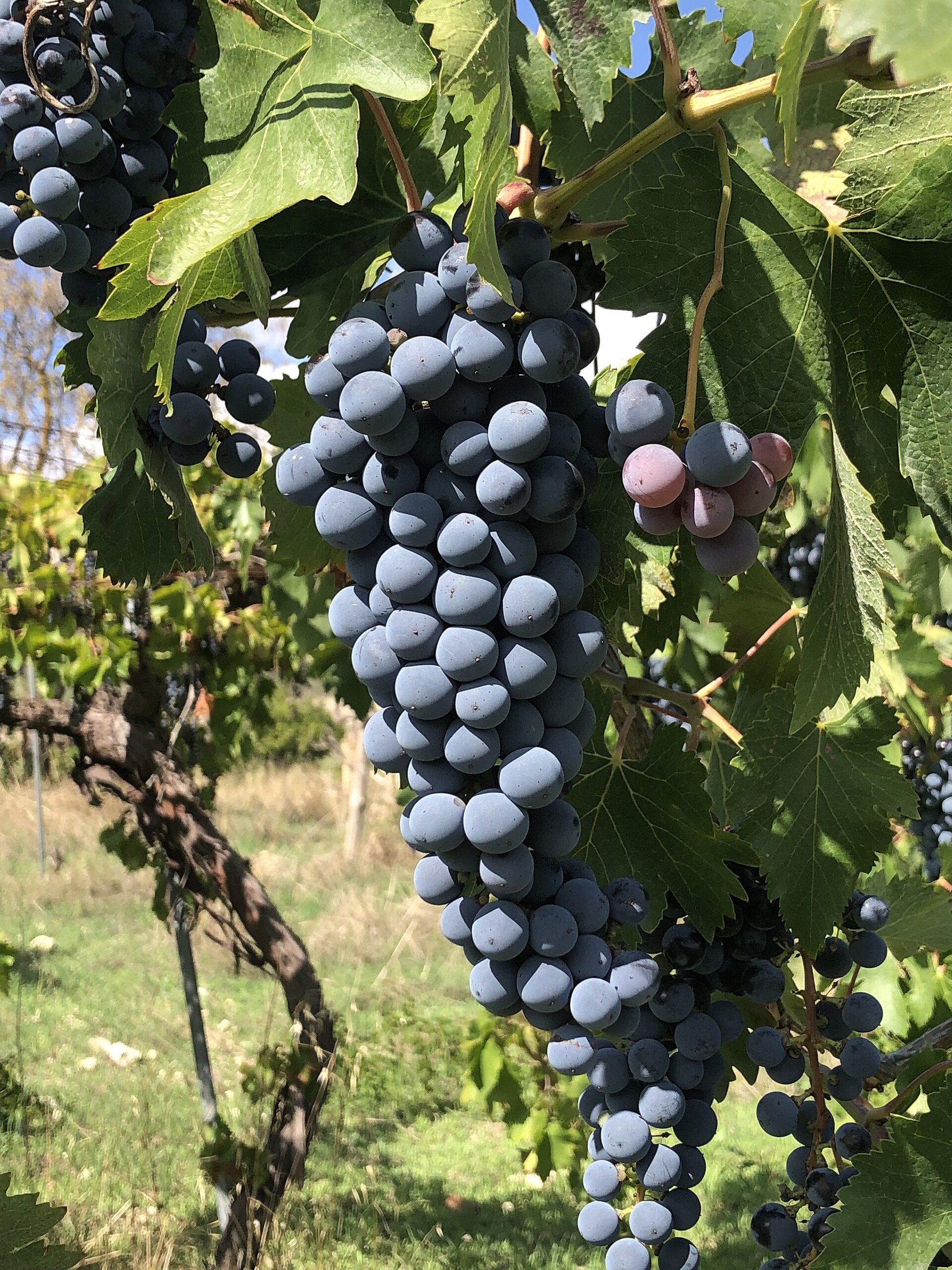 Nero d’AvolaSicily’s great red, “the black of Avola” — dark cherry and plum with juicy acidity and a warm spice edge, built for the heat of a sun-baked island. The bottle Malana kept circling back to at Lost Draw.№ 014 →TeroldegoA deep, dark red from Trentino in the far north of Italy — blackberry and bright acidity, low tannin, and a faint bitter-almond finish that gives the grape away. Poured from Pepper Jack Vineyard fruit at Portree.№ 015 →
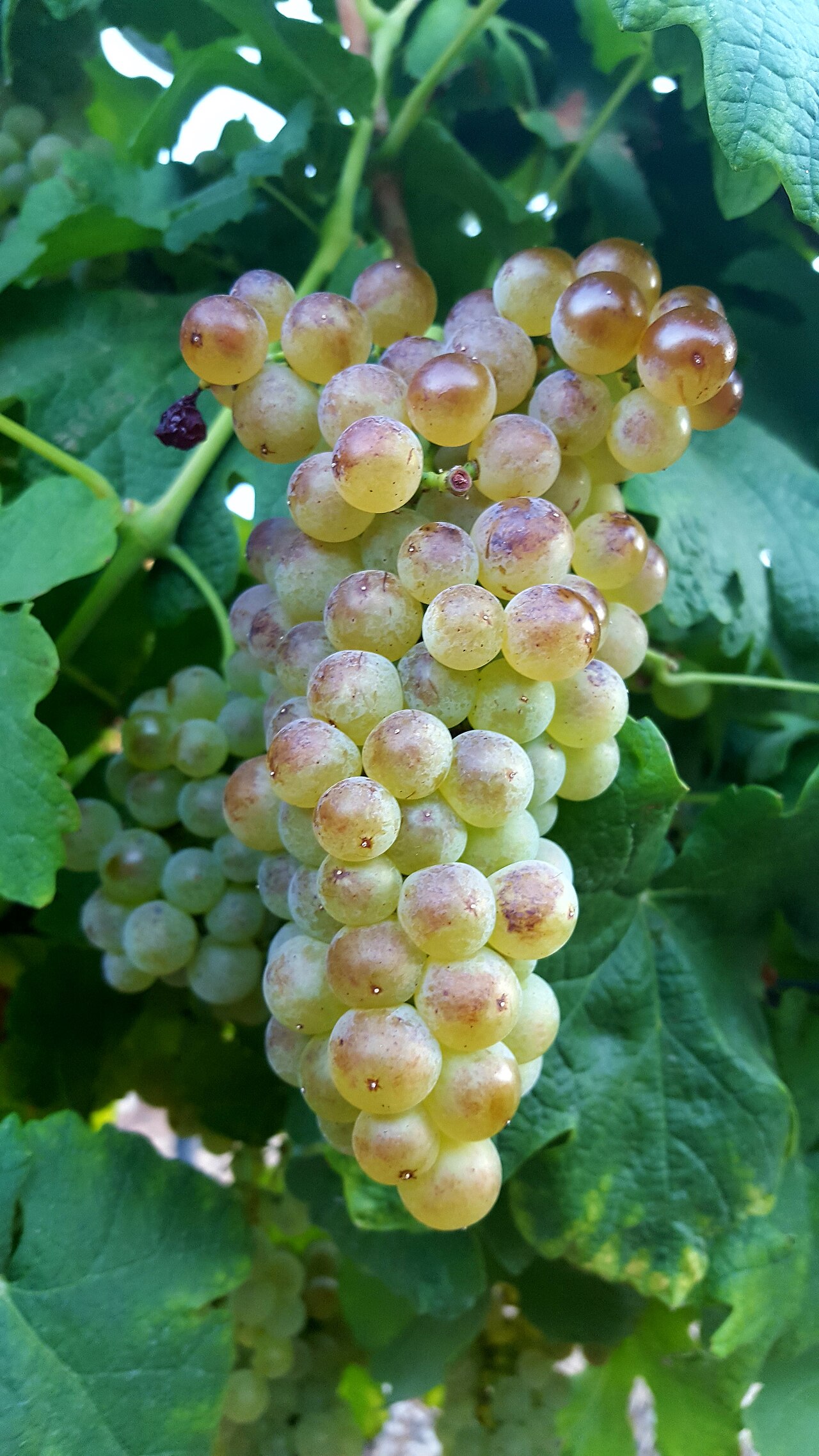 RoussanneA white Rhône grape named for the russet color of its ripe berries — apricot, pear, and honeysuckle over a full, waxy texture, and unusually built to age. The wine that made Solaro’s side-by-side white lesson click.№ 016 →
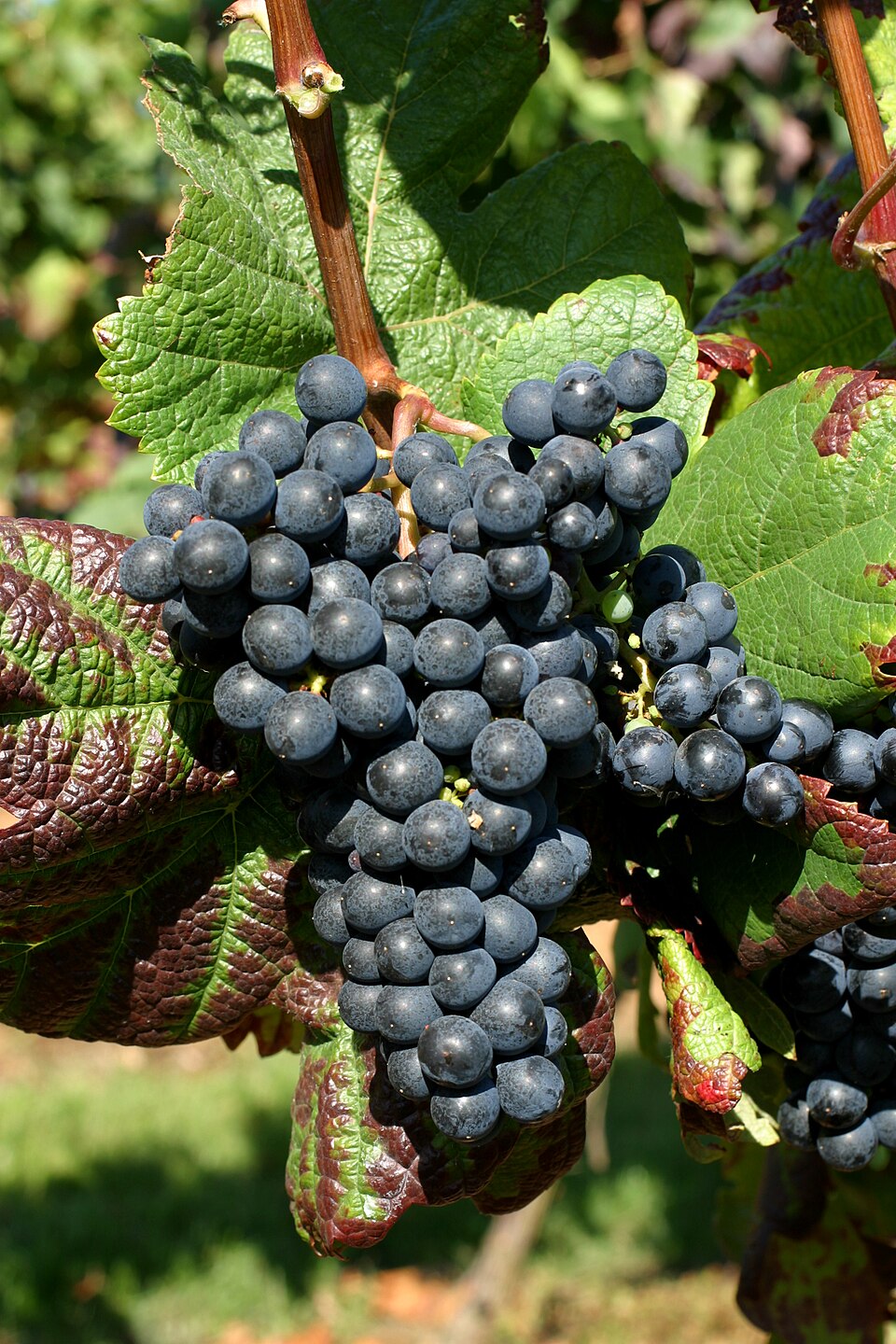 TannatOne of the most tannic reds on Earth — born in southwest France, made famous by Uruguay, and almost suspiciously suited to Texas brisket. Deep, dark, and structured. Poured at Pedernales, Featherstone, and Slate Theory.№ 017 →
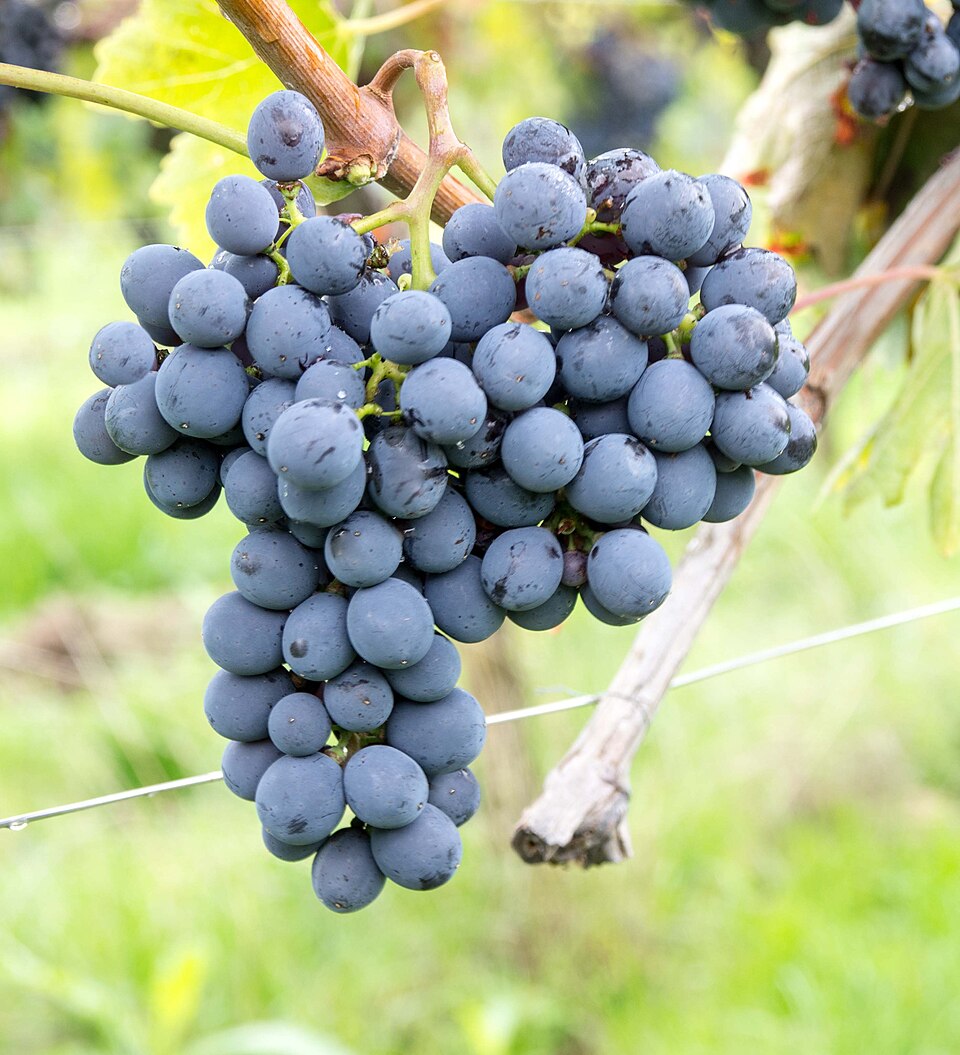 SangioveseThe heart of Chianti and Italy’s most-planted grape — tart cherry, dried herbs, and bright, food-driving acidity. A chameleon in Texas: we’ve had it still at Lost Draw, as a rosé at Slate Theory, and sparkling at Featherstone.№ 018 →
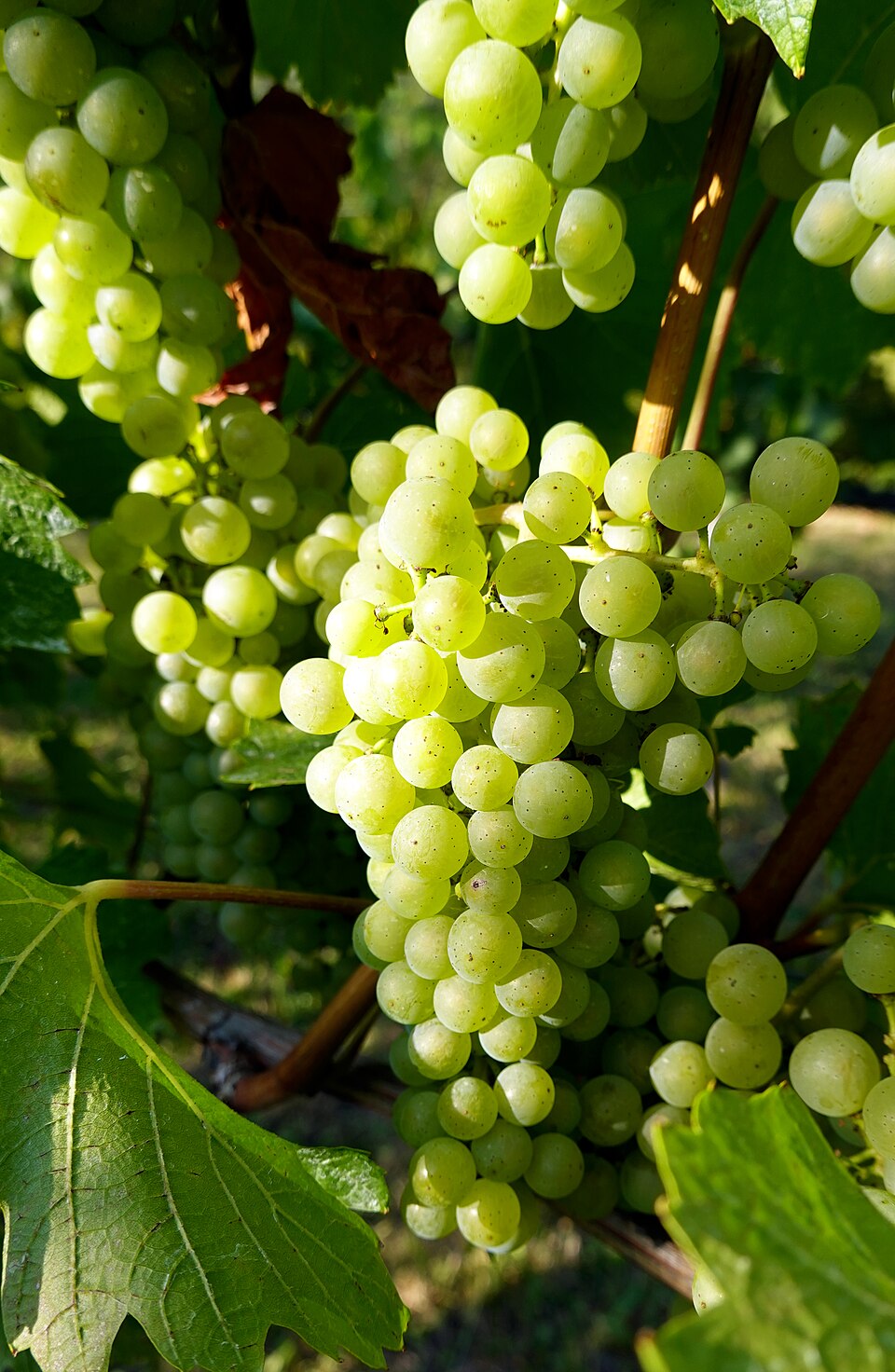 ChardonnayThe most famous white grape on Earth, and the most shape-shifting — crisp and mineral or creamy and buttery, depending on the site and the cellar. In Texas, the surprise argument of the Adega Vinho lineup.№ 019 →
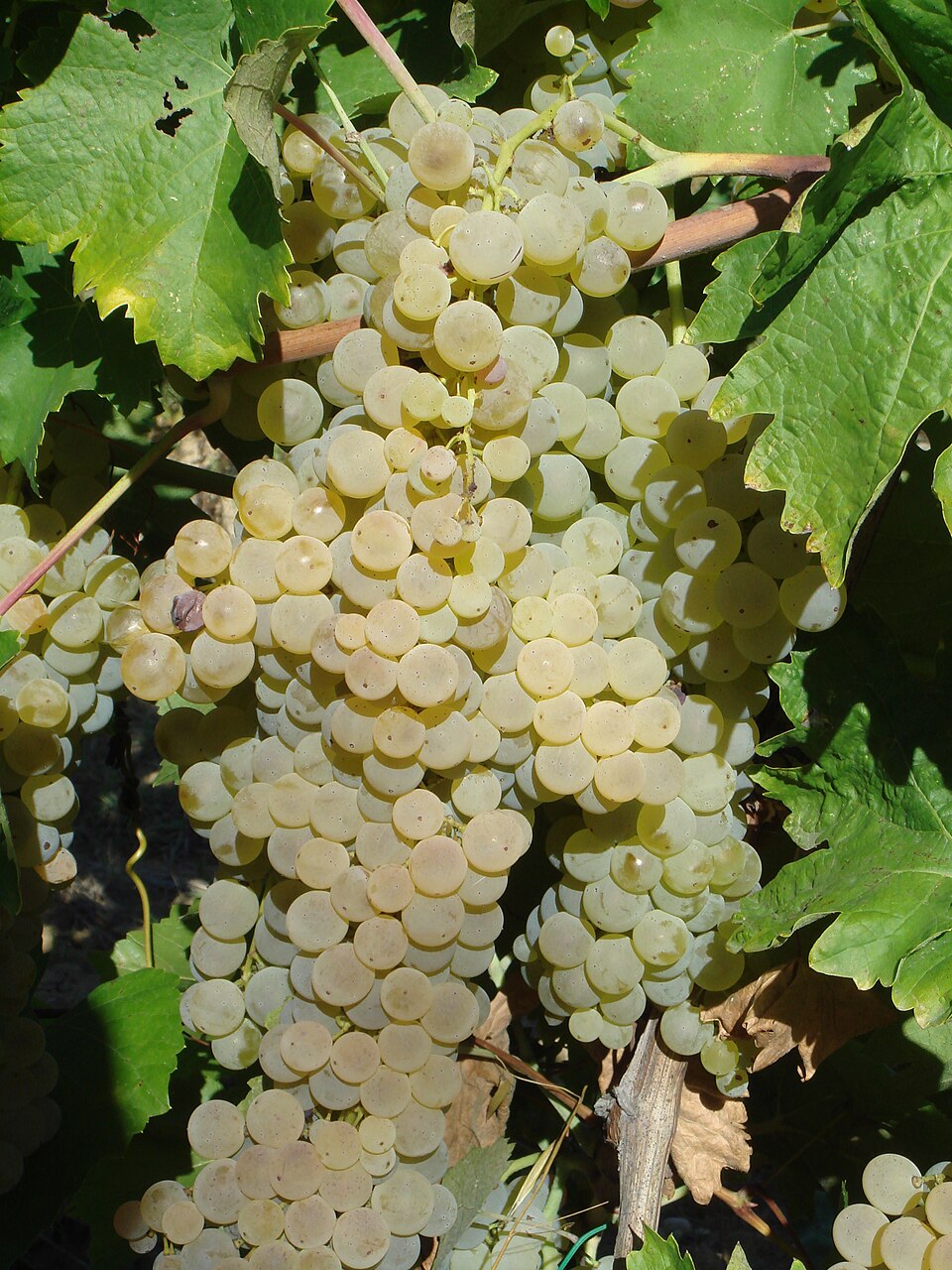 TrebbianoItaly’s high-acid everyday white — the same grape France distills into Cognac. Light, lemony, and bracingly fresh. Poured crisp at Featherstone and clean and bright beside the Roussanne at Solaro.№ 020 →
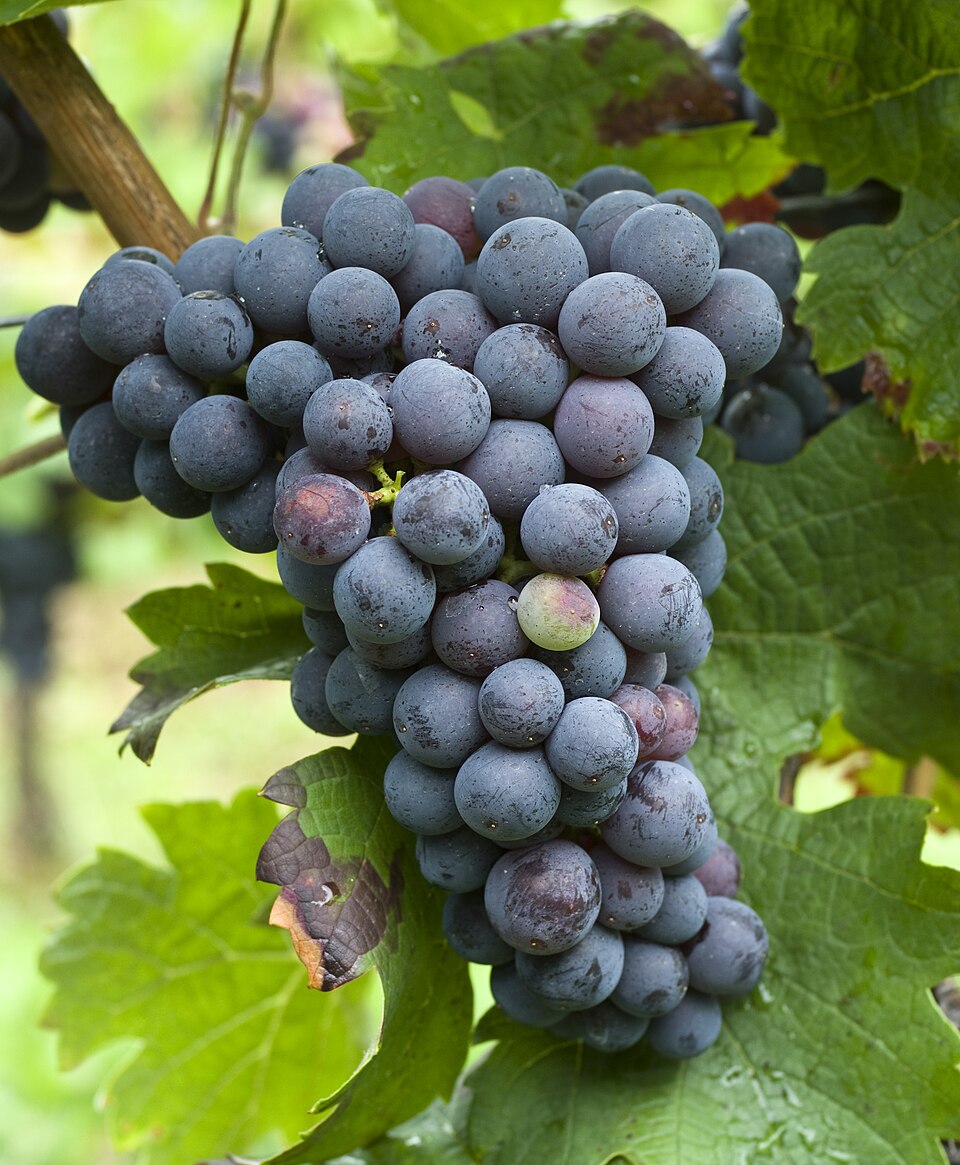 Cabernet FrancThe perfumed parent of Cabernet Sauvignon and Merlot — red fruit wrapped around bell pepper and green olive. Narrow Path’s 49-case Reserve turned the grape’s savory signature all the way up.№ 021 →
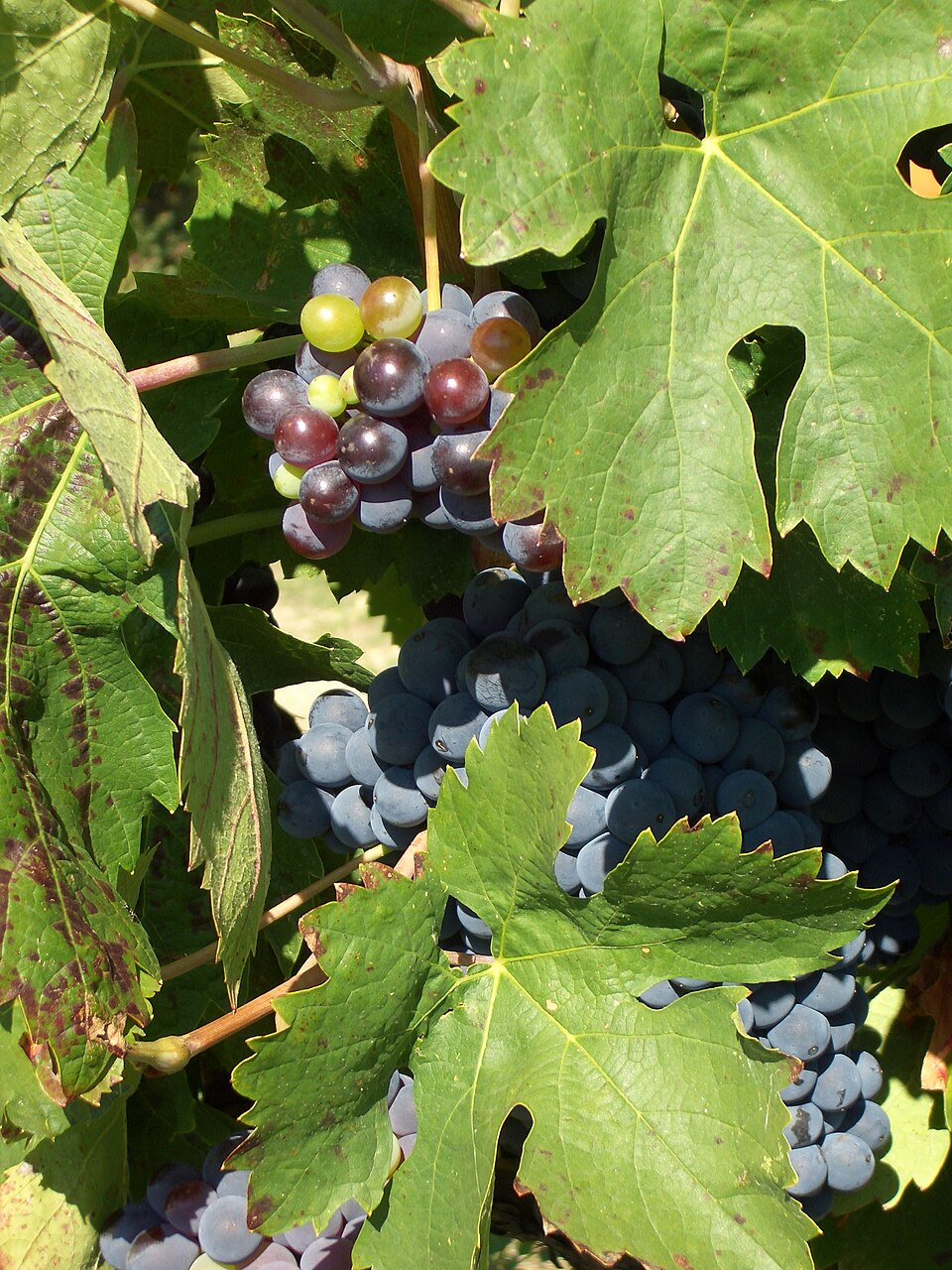 CinsaultThe southern French workhorse behind countless Texas rosés and GSM blends — light, floral, low-tannin, and (improbably) half the parentage of Pinotage. A rosé at Narrow Path, a standalone red at William Chris.№ 022 →